

Health
Muscle tissue changes with aging
Muscle loses size and strength as we get older, which can contribute to fatigue, weakness and reduced tolerance to exercise.

One of the most striking effects of age is the involuntary loss of muscle mass, strength, and function, termed sarcopenia. Muscle mass decreases approximately 3–8% per decade after the age of 30 and this rate of decline is even higher after the age of 60.
This involuntary loss of muscle mass, strength, and function is a fundamental cause of and contributor to disability in older people. This is because sarcopenia increases the risks of falls and vulnerability to injury and, consequently, can lead to functional dependence and disability. A decrease in muscle mass is also accompanied by a progressive increase in fat mass and consequently changes in body composition, and is associated with an increased incidence of insulin resistance in the elderly.
Furthermore, bone density decreases, joint stiffness increases, and there is a small reduction in stature (kyphosis). All these changes have probable implications for several conditions, including type 2 diabetes, obesity, heart disease, and osteoporosis. Exercise training and proper nutrition can have dramatic effects on muscle mass and strength.
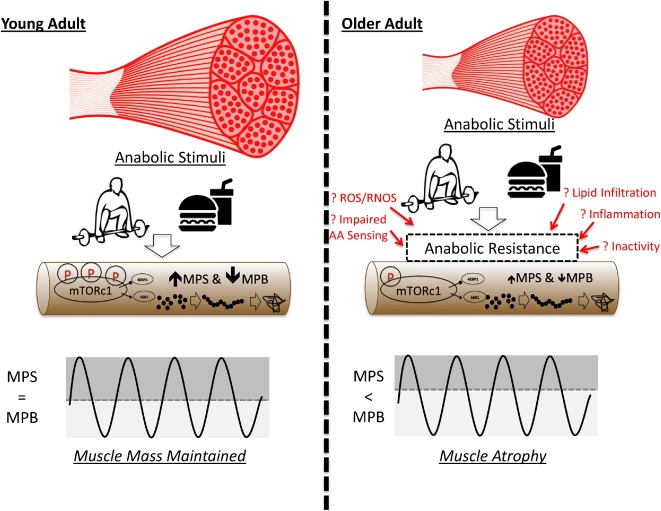
If you want to stay independent and live life on your terms as you age, you need to perform some sort of resistance training regularly to improve and maintain as much muscle mass as as possible.
Whether you’re aiming to sculpt your physique or revamp your nutrition, we’ve got you covered.
Need a resistance training plan? No problem, get in touch!
Reach out to Ronin at 066 265 6800 or via email at roninjacobs@hotmail.com and let’s embark on your wellness journey together! 

Adapted from https://www.ncbi.nlm.nih.gov/
